Onward to Hungary
It was still early June, warm and sunny as we rolled into Budapest. After leaving Prague we headed south, stopping on Bratislava for lunch and a quick look around. Leaving Bratislava we entered the Pannonian plain as we continued south in Hungary. The Pannonian plain was previously a prehistoric basin of lakes. That was long before I was born… even before Julie…. Now it’s a broad agricultural region that is sometimes referred to as the breadbasket of Europe.
As our bus cruised towards Budapest we saw hundreds of wind turbines dotting the landscape. Wind power currently supplies only a fraction of Hungary’s needs, but you’d never know that from the number of towers we saw. The drive from Prague to Budapest took us about six hours; the last several hours were through miles of farm country before we finally came to Budapest.
Budapest – Two Cities
Like Prague, Budapest is split by a river. In this case, it’s the Danube River that runs north and south through the city. Buda, on the west side of the Danube, and Pest on the east side collectively form Budapest – pronounced Buda-pesht by the locals. These were two separate cities until 1873 when they were ‘unified’. The ‘Pest-side’ of the city is where you want to spend your time from a cultural and architectural appreciation perspective. This part of the city hosts most of the hotels, restaurants, museums and many of the monuments.
Hero’s Square
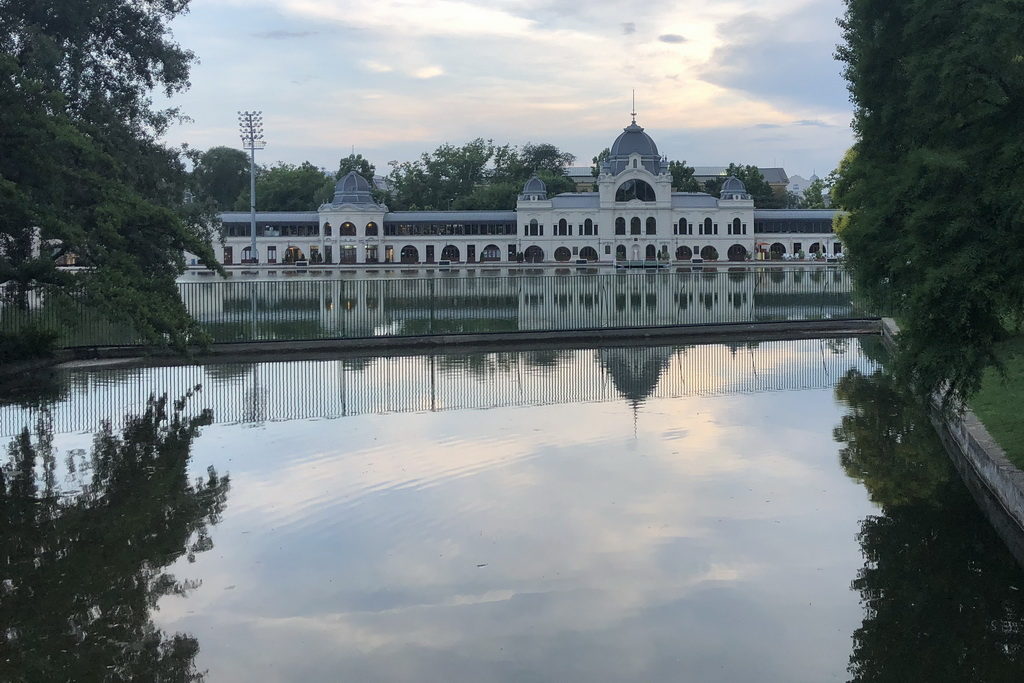
On our first evening in Budapest, we visited two icons of the city – Heroes’ Square and Vajdahunyad Castle. The castle was originally built for the millennial celebration in 1895. Because of its popularity, it was rebuilt as a permanent structure. An interesting statue we found there is ‘Anonymous’ (chronicler). The statue recognizes the efforts to document Hungarian history by a notary for a Hungarian king in the 13th century. Hero’s Square is also situated at the end of Andrássy.
Hero’s Square is a broad plaza with statues that was also constructed as part of Hungary’s Millennial celebration in the late 19th century. During the Communist era, it frequently hosted orchestrated demonstrations on holidays. Leaders of the 1956 revolution were ceremonially reburied in Hero’s Square in 1989.
Andrassy Street
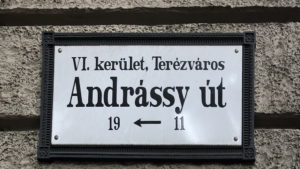
Andrássy út or Andrássy Street is a beautiful street that begins at Hero’s Square and heads to the river. It was originally named after the Hungarian Prime Minister (Gyula Andrássy) who played a key role in the modern development of the city. The boulevard was also a pawn of the communist era politicians. It became ‘Stalin Street’ in 1950 during the Soviet occupation and ‘Magyar Ifjúság útja’ (Avenue of Hungarian Youth) in 1956. Just one year later, the Hungarian communists changed the name to ‘Népköztársaság út’ (People’s Republic Street). The former name of Andrássy Street was finally restored in 1990 at the conclusion of the Communist Era.
Today, trees, impressive homes, and commercial buildings line the boulevard. Under it runs the oldest subway line on the European continent. The subway construction began in 1894 and finished in 1896, in time for the millennium celebrations of Hungary. They built the subway line under the boulevard to provide easy access to the millennial site near Hero’s Square.
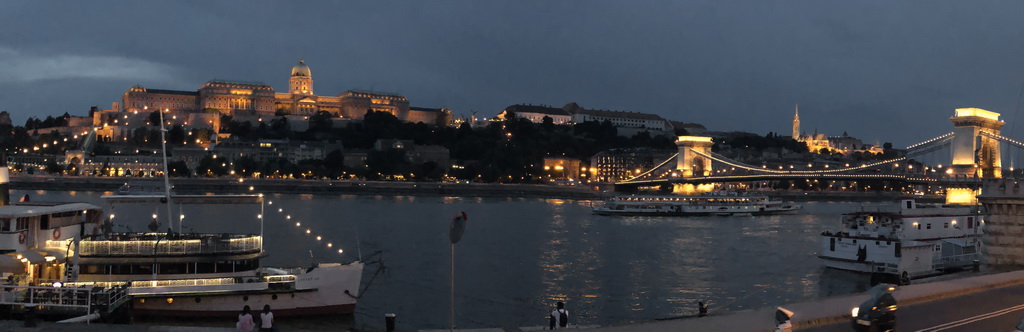
Our last stops on this busy first day were photo opportunities. The first photo spot was alongside the Chain Bridge and the other was in Buda, overlooking the Danube and the city at sundown. They were both classic photos, but unfortunately, I’d only brought my phone along – no camera. I got some decent pictures, but sure wish I’d brought my camera along instead.
Day Two
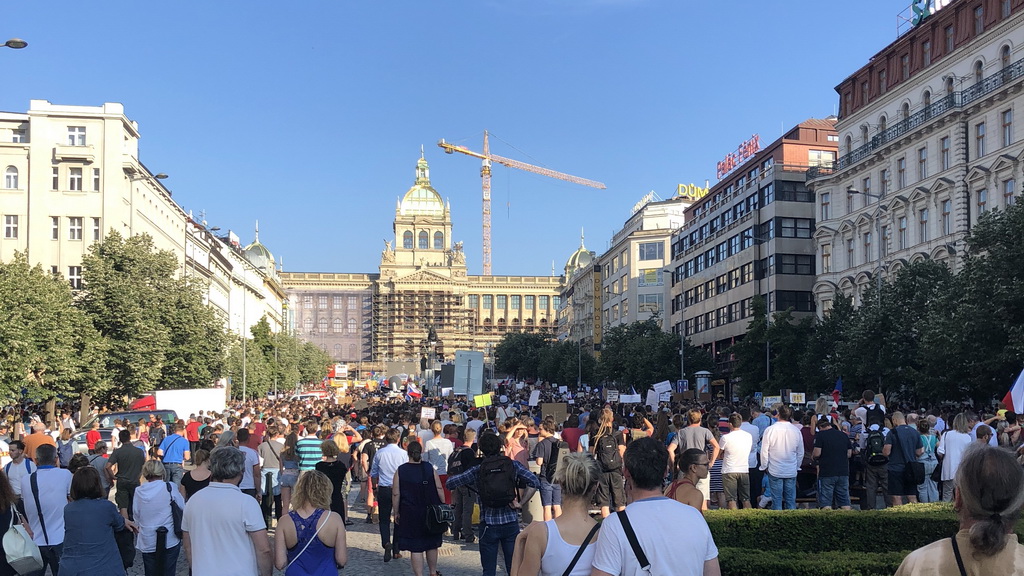
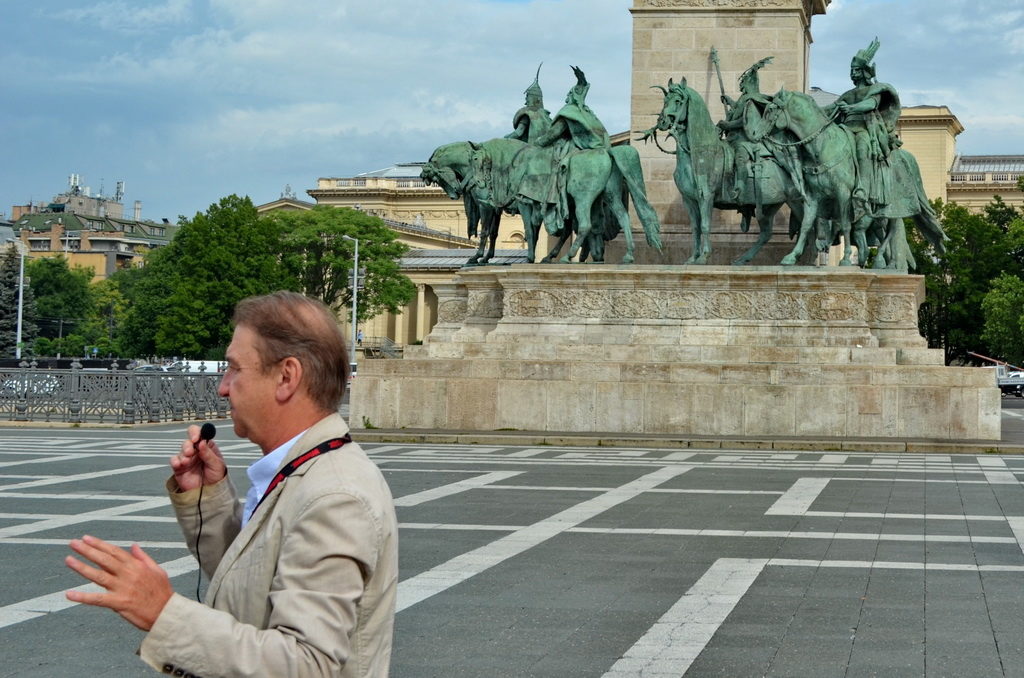 We returned to Hero’s on our second morning in Budapest and our local guide, “Arpod” explained the statues and the history of the Hungarian people. Settled as a town in the 9th century, Budapest officially becoming a city in 896 AD. That explained the ‘Millennial Celebration’ in 1896. The square was also the site of anti-communist protests in 1956.
University students protested communism at the square and sparked the dawning of change in the government and society. Over the following week, the country’s borders were opened and 250,000 fled the country. The freedoms were short-lived as the Soviet Union cracked down and occupied Budapest with Russian soldiers and tanks. Even today, the square is the frequent site for political rallies and social activism.
Culture and Architecture
The city of Pest was flooded and large sections destroyed in 1838. The rebuilding of the city took many years and was accomplished with a great deal of input from the citizenry. I found the Dohany Street Synagogue impressive. It was completed in 1859 and was designed using the Moorish style influenced by Moslem architecture. It can hold 5000 and is the second largest synagogue in the world.
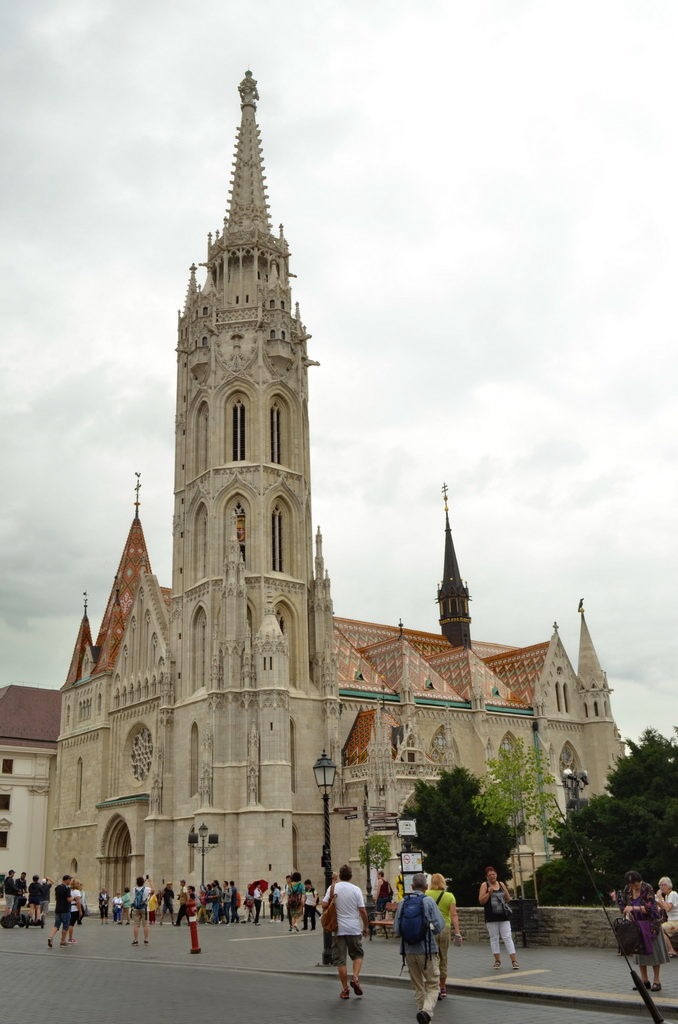
Across the river in Buda, we visited the Matthias Church. Actually, the real name is Church of Our Lady of Buda, but it’s commonly referred to as the Matthias Church since he was married there twice in the 1800s. The original church was built in 1015 AD, but I lost track of how many times it was destroyed, rebuilt, renamed, occupied, etc.
We heard the story of how in 1686, after 150 years of Turkish occupation, Buda was under siege in an attempt to drive the Turks out. During the siege, a cannonball caused a wall of the church collapse. A sculpture of the Virgin Mary was behind the wall and was revealed to praying Muslims in the church – converted to Mosque. Legend has it that morale of the soldiers collapsed and the city was quickly liberated.
Walking around Budapest
 Julie and I spent the afternoon exploring the east bank of Budapest. Upwards of 70% of the city was damaged or destroyed at the end of WW2. The German Army occupied the city when they sensed that Hungary was preparing to surrender to the Allies. Even when surrounded by Soviet forces the Germans refused to surrender. They rendered the bridges across the Danube unusable and held out under ongoing artillery that caused much of the damage to the city.
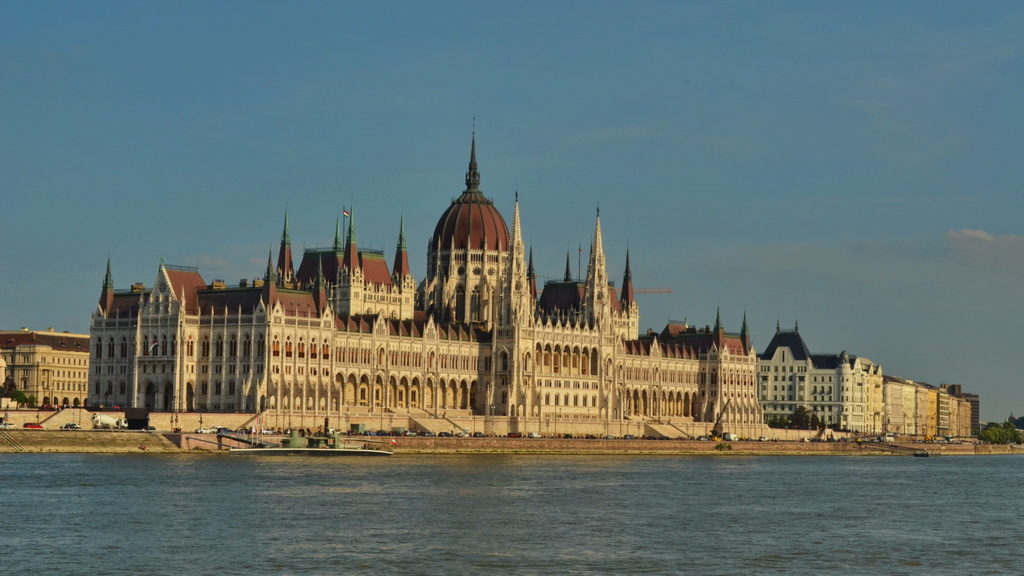
Today, the city we saw is a mix of modern and historical buildings but one that retains the historical charm of an old Eastern European city. We had lunch and dinner along the street at sidewalk cafes and strolled past parks, classic buildings and along the Danube. We also took a boat ride on the Danube and saw the city from the river. There were so many beautiful sights.
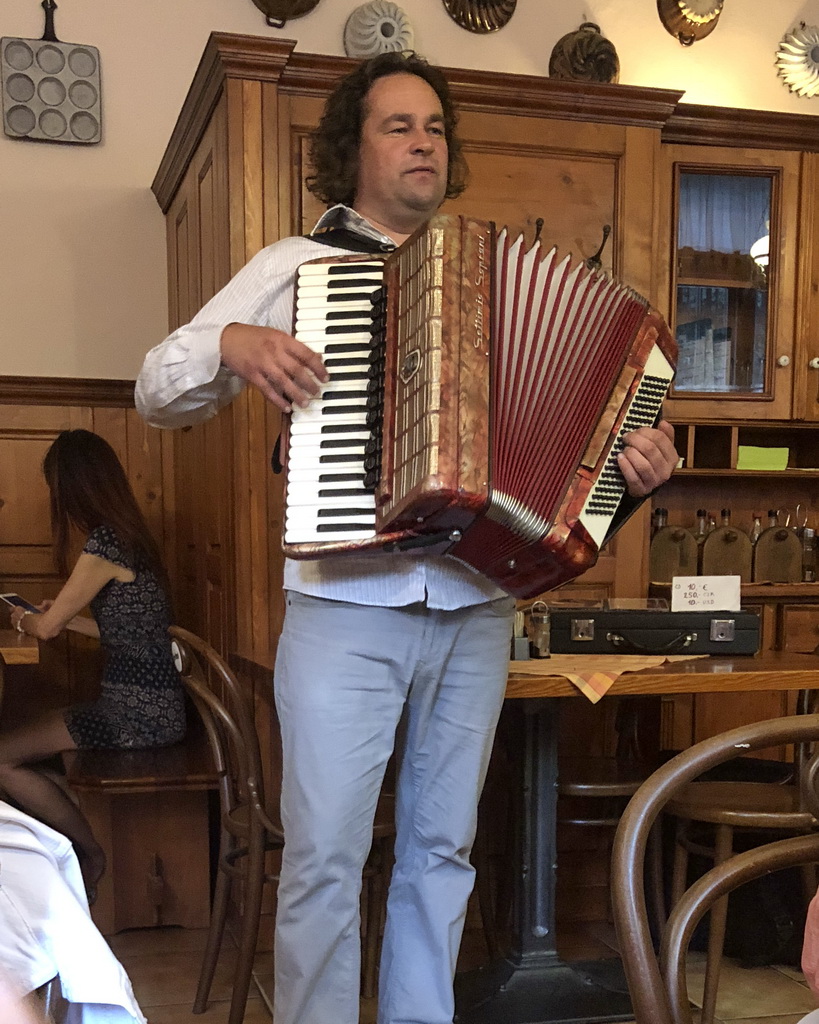
On our way back to the hotel, we ran into Louis and Iliana as they were relaxing in their own sidewalk café. The four of us enjoyed a couple of beers as we chatted away about how wonderful Budapest was. Before we knew it, Julie was telling us it was after 11 PM and we had to have our suitcases packed for the morning. And off we went…


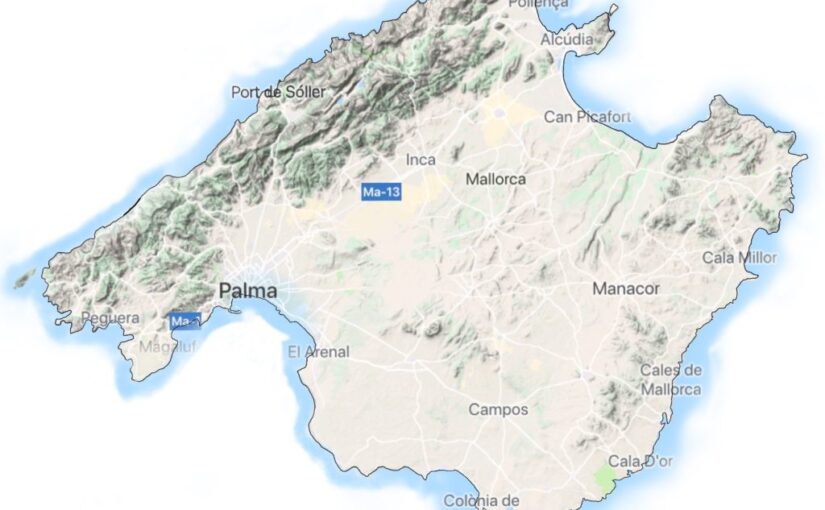
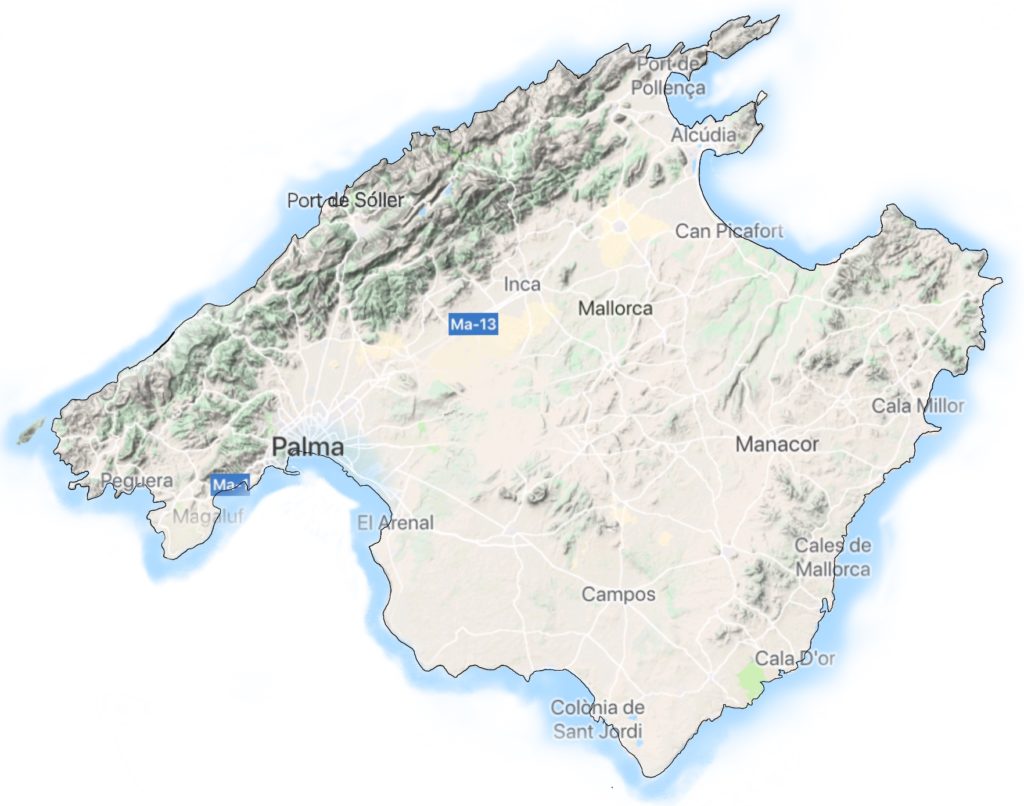 We needed a few day get-away and Mallorca was the answer! Julie had just returned from a couple of days in Barcelona where she saw Sharon off to the airport. Unfortunately, Sharon was returning to Rochester and wouldn’t be sharing our remaining adventures. We had a week to kill before moving on to Munich and our Globus tour of Eastern Europe and we were wondering what we were going to do. We’d seen so much of the Valencia area during the month and so we were looking for something different to do.
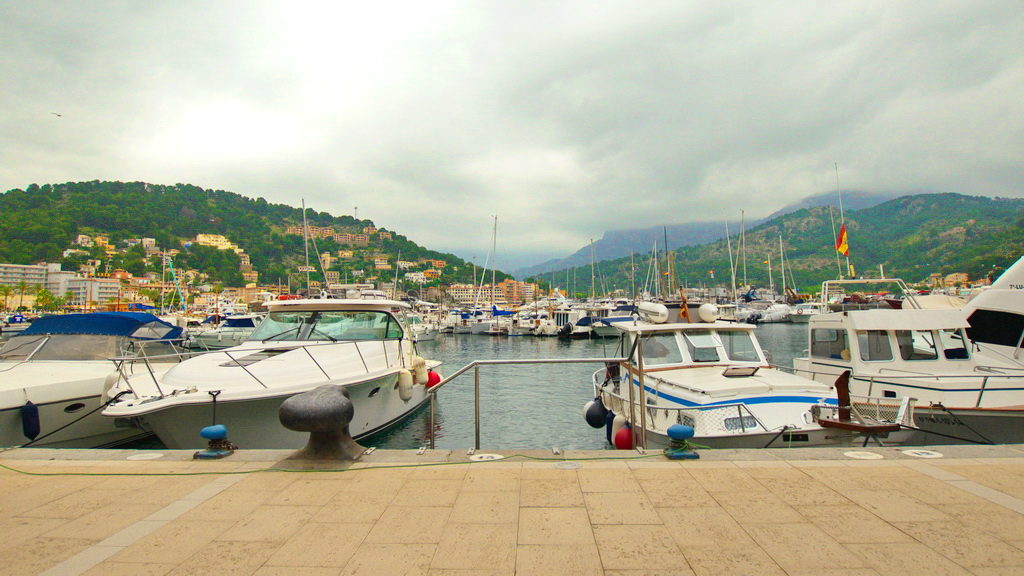
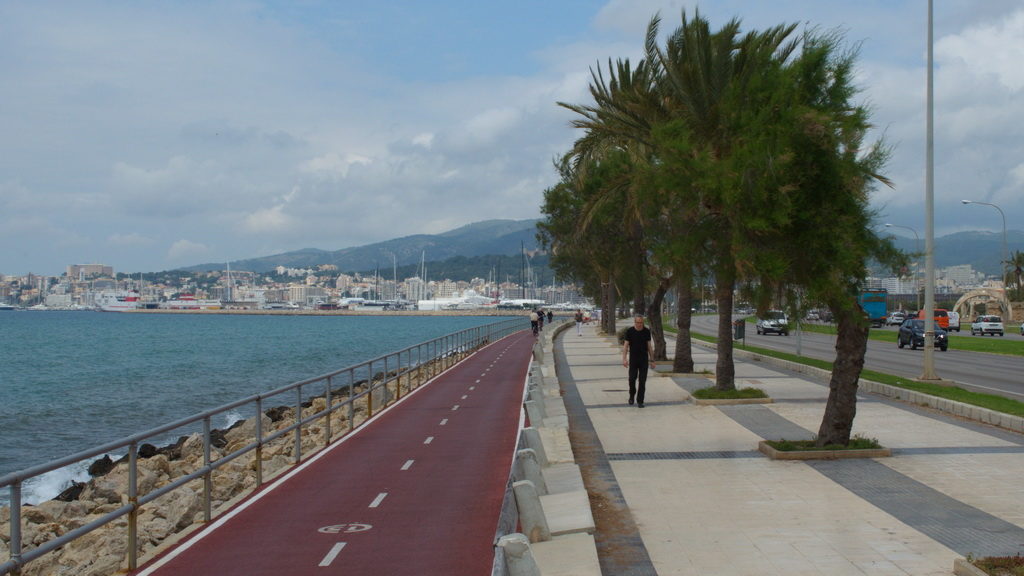
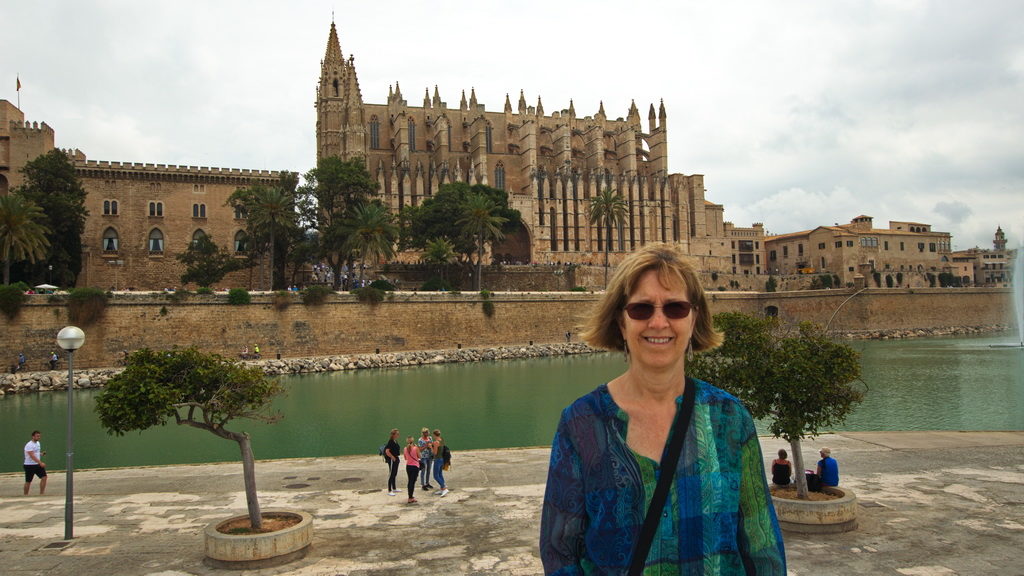
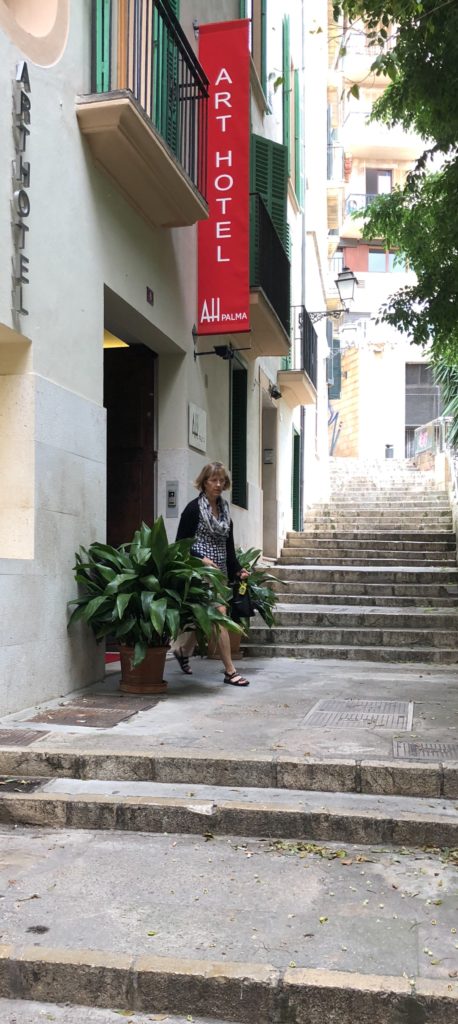 Mallorca is warm and sunny in May. We decided to stay in the old city, away from the beaches. That was a great decision since we really enjoyed exploring the city and the architecture. We got in late Saturday afternoon and started exploring – Palma is a wonderful city for walking. We walked through the shopping area and down to the marina. There was a small sidewalk market to explore and then, before you knew it, I was ready for dinner. Nearby is Caballito De Mar, a fantastic restaurant with a great seafood menu. Julie had “Suquet”, a stew with monkfish and shrimps with Mallorcan potato and seaweed in tempura while I had baked codfish with a spicy honey sauce. (Whoa – I’m sounding like a food critic – gotta stop that….)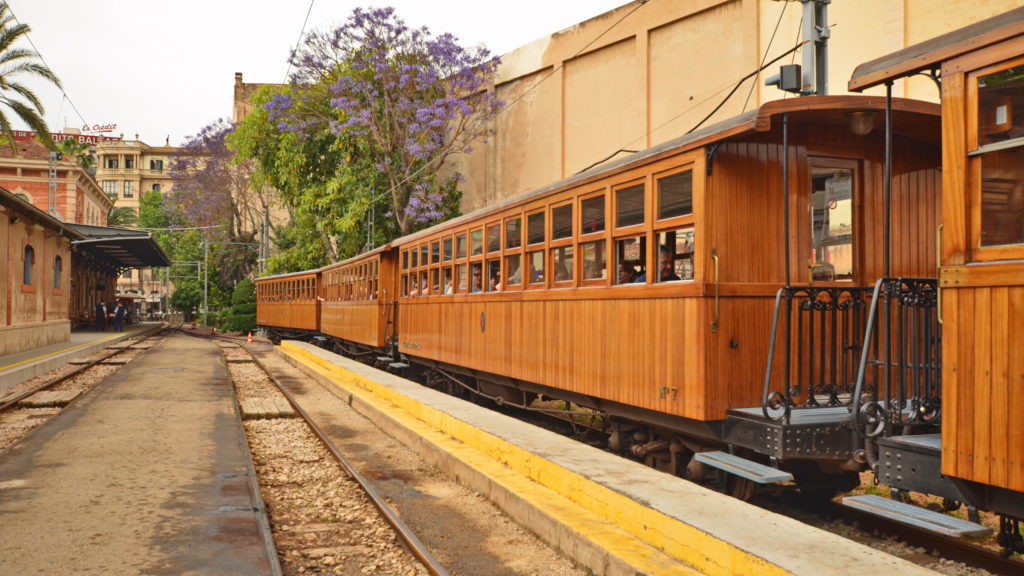
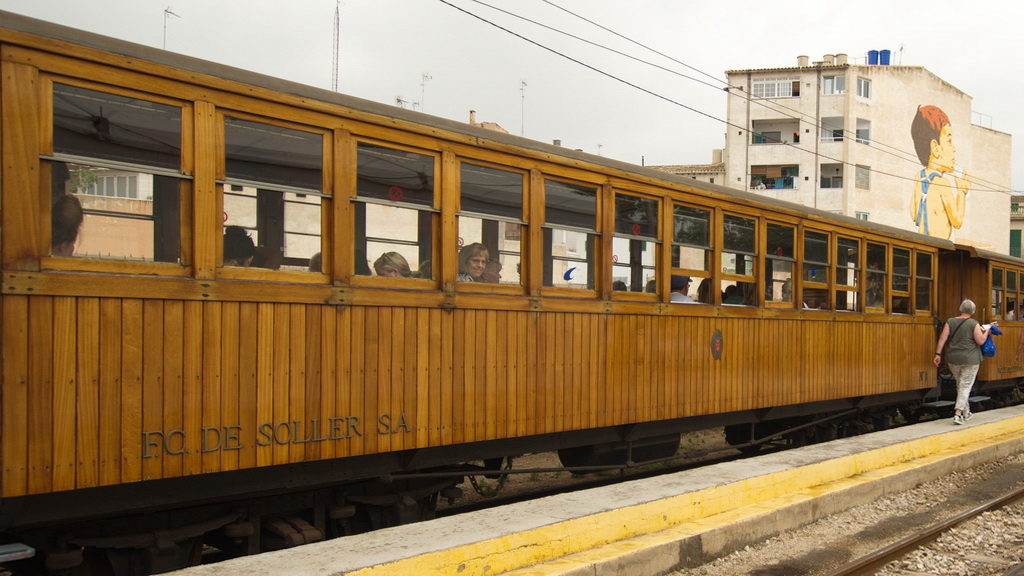
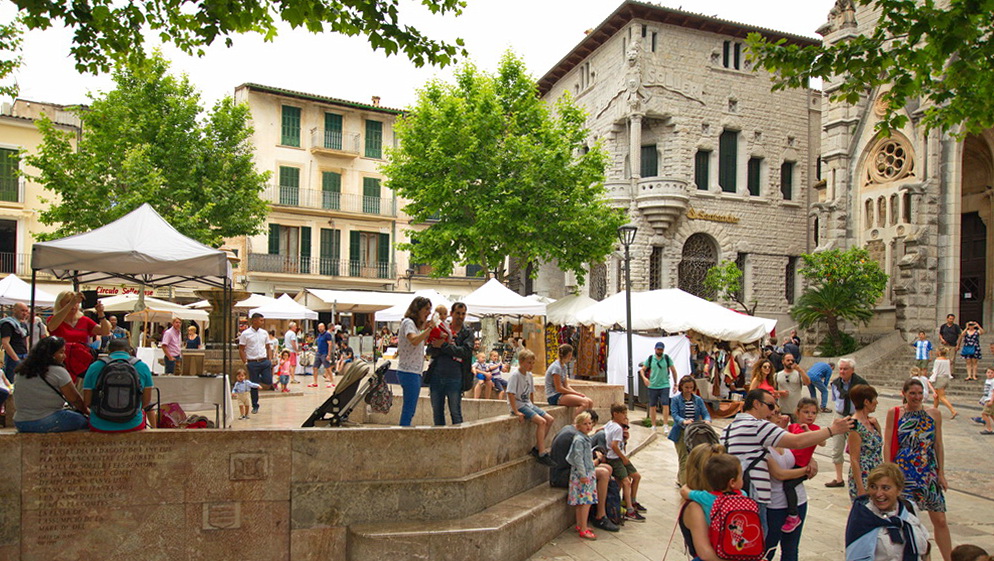
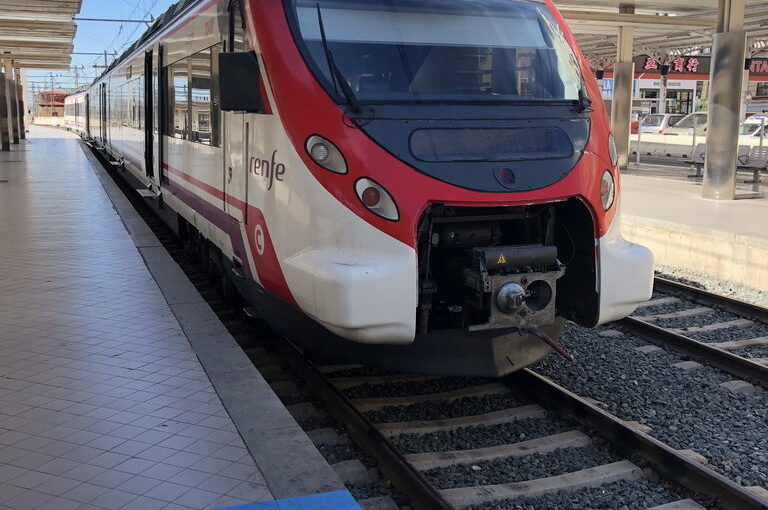
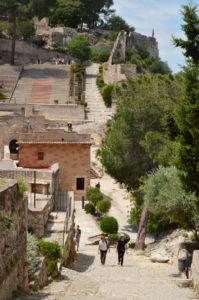
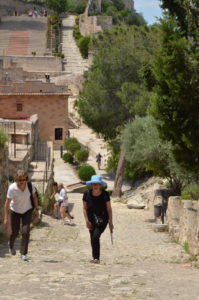
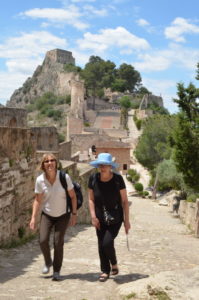
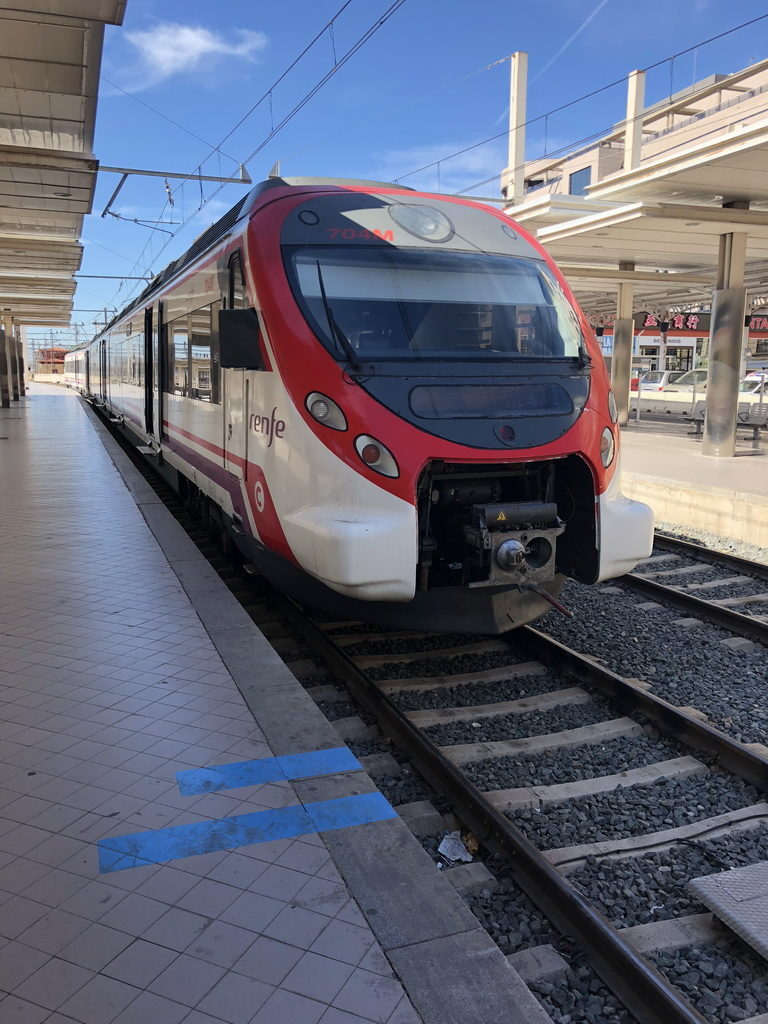 We headed south out of Valencia to Xàtiva (sha-tea-va) on a train this past week. Xàtiva is about 45 miles southwest of Valencia, about 45 minutes by train. This is a place that has a history. It’s mentioned in Roman poetry in the first century BC, so it’s been around for a long time.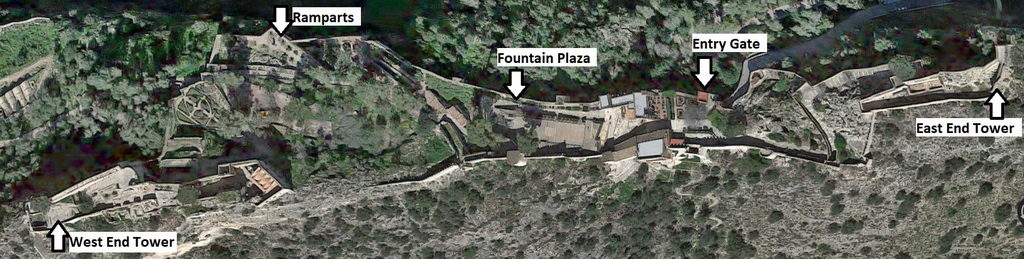
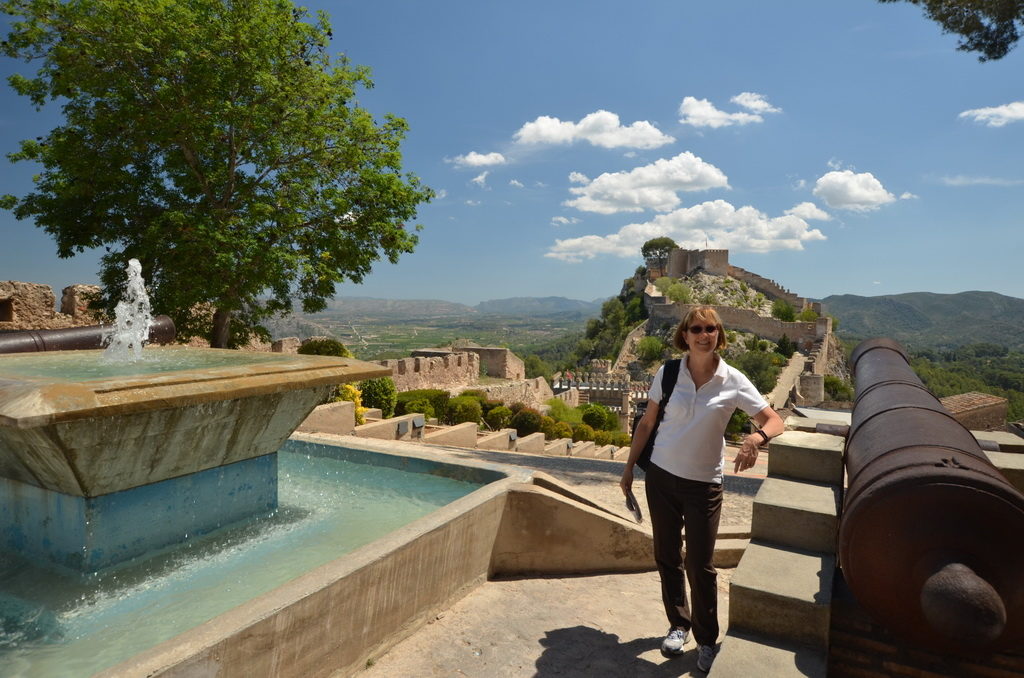 Looking back at the lower tower
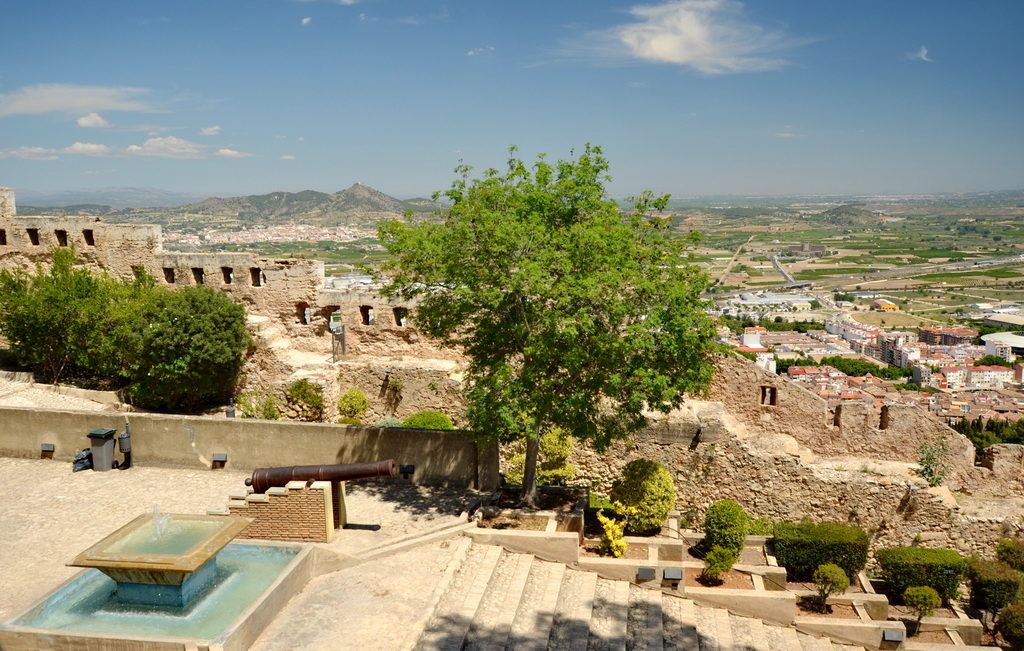 Looking north from above the fountain plaza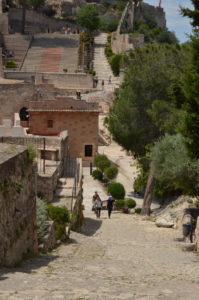



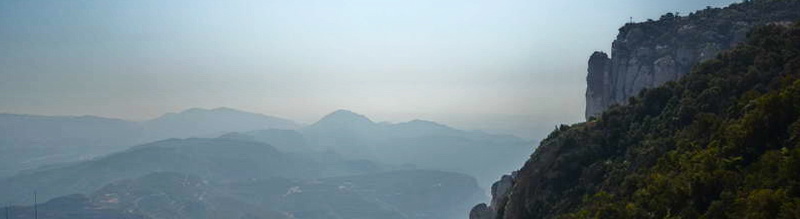
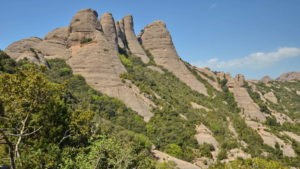 We took a taxi over to the Julia Travel office where we got on the morning bus to Montserrat. The ride takes about an hour out of the city and then up and into the hills. The day we went, there was some haze that obscured the mountains for our trip up to the abbey. When we arrived, we were above the clouds that were covering the valley and any view of Barcelona. However, the sky was clear above us and we could see the distinctively carved mountain rising to 4055′.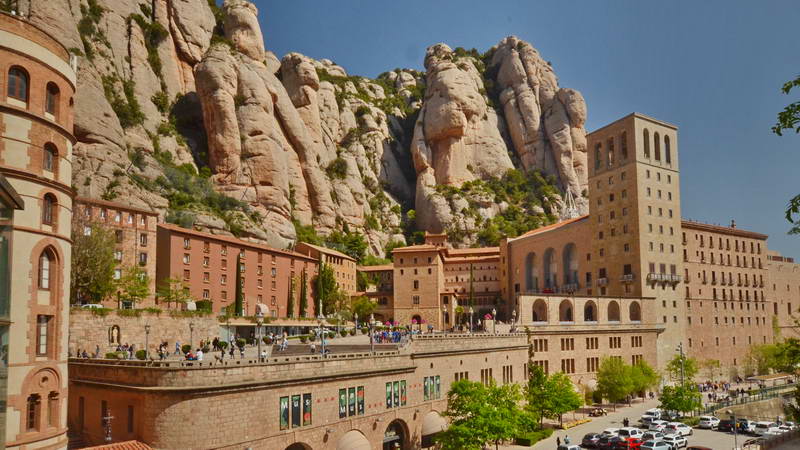
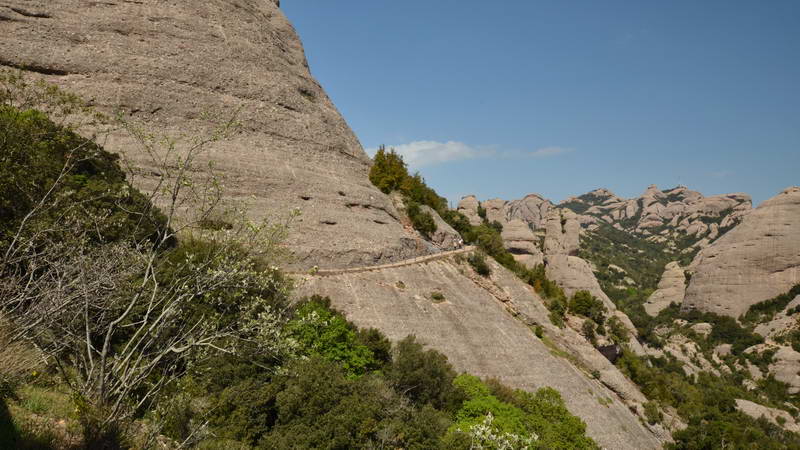 A tram/cog train climbs from the monastery to the base of hiking trails above Montserrat. There are several well-marked hiking trails that lead through the nature park Montserrat. These hikes are worth the effort – you will be rewarded with a magnificent view of Catalonia and Montserrat in particular. Make sure that you wear sturdy shoes. As long as you’re in relatively good shape you should be able to manage any of the hikes.
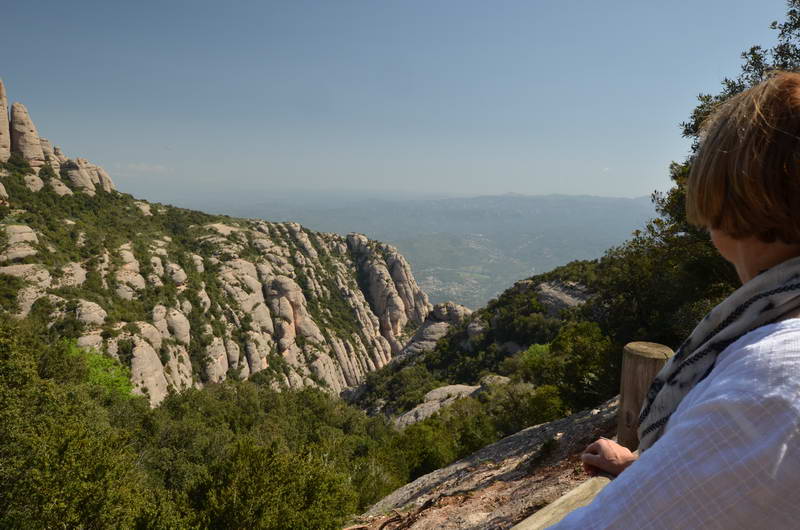 There are normally several other options for exploring the abbey at Montserrat. I think it all depends on how much time ypu want to spend there. Check out the Montserrat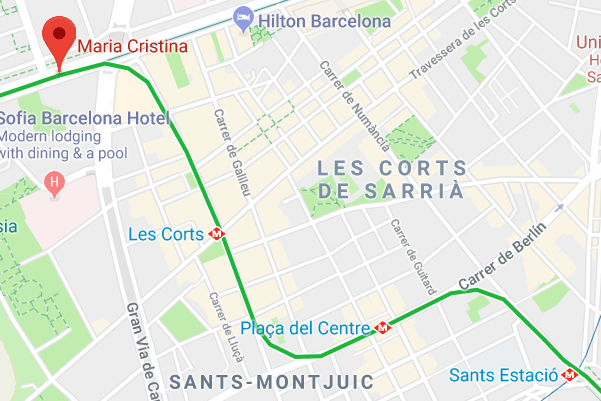
 Google Maps shows the metro stops, so you can find the nearest Metro stop on your phone or notebook and then use the Metro map to navigate. Click on the Metro icon in Google Maps and the station info is displayed and all the Metro routes are highlighted for reference. That is a great feature.